Long roofing Midwest Region, MO means picking a system built to survive hail, straight-line wind, and brutal freeze-thaw cycles, sometimes in the same calendar year. Missouri ranked 5th in the nation for hail events in 2025, and a roof that isn't matched to that punishment rarely reaches its rated lifespan. Here's what actually holds up, what it costs, and how to avoid paying for a new roof twice.
Why Missouri's Midwest Region Weather Shortens Roof Life
Missouri doesn't get one tough season. It gets four.
Spring and summer bring severe hail and straight-line wind events. Fall swings temperatures hard between warm afternoons and cold nights. Winter freeze-thaw cycles push water into cracks and seams, then expand it, creating ice dams along eaves and valleys.
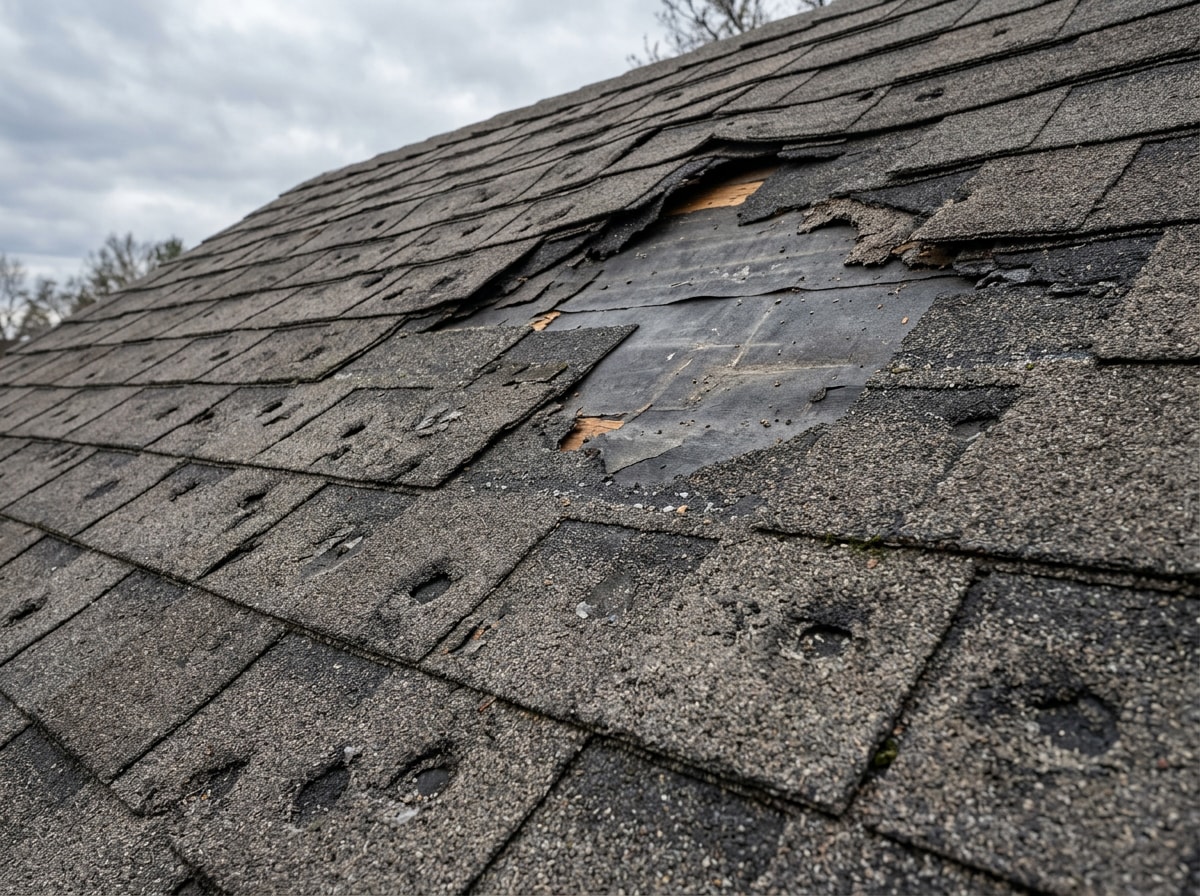
NOAA's National Weather Service Storm Prediction Center Annual Severe Weather Report Summary reported 5,432 hail events in 2025 compared to 5,373 in 2024 , and Missouri placed 5th among all states that year with 253 recorded hail events, trailing only Texas, Kansas, Oklahoma, and Nebraska. That's not a fluke year. On average, Missourians experience hail 2-3 times a year, and most of the time it is smaller than a pea and causes little or no damage , but the state climatologist's office also notes close to 60% of Missouri's thunderstorms occur between May and August , which is exactly when the larger, damaging hail shows up.
In the field inspecting storm-damaged roofs across central Missouri, we consistently see the same pattern: cheap 3-tab installations failing years before warranty, while properly installed architectural and metal systems outlast theirs. The material matters, but the install matters just as much.
Top Long-Lasting Roofing Materials for the Midwest Region
Three materials dominate durable roofing conversations in Missouri's Midwest Region: metal, asphalt shingles, and TPO. Slate and synthetic slate show up occasionally for homeowners chasing maximum lifespan. The right pick depends on your roof's slope, budget, and how long you plan to stay in the home.
Metal Roofing
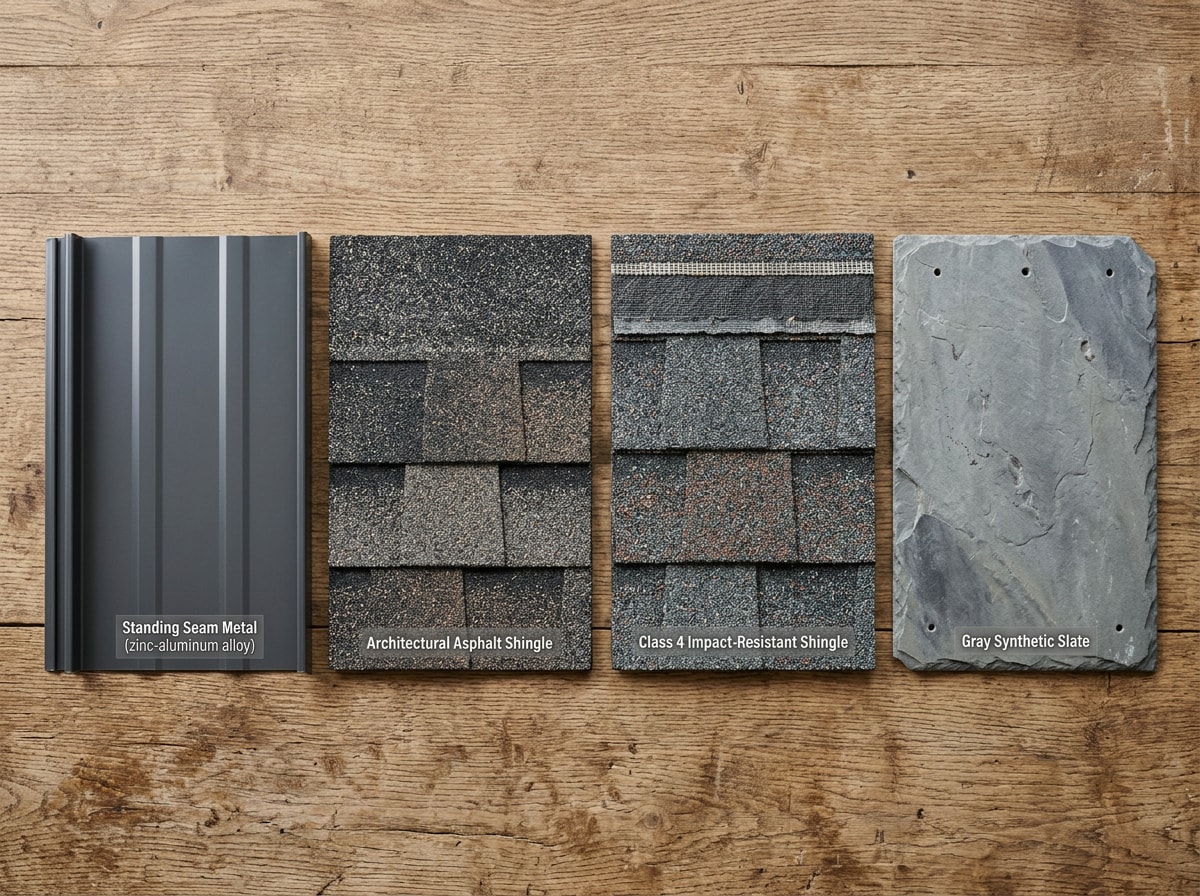
Metal roofing is the longevity benchmark for this climate. A properly installed standing seam metal roof can last 50 years or more, standing up to high wind and heavy snow load with minimal upkeep. The upfront cost is higher, but it functions as a long-term value play rather than a budget option.
The catch: metal installation is specialized work. Seam quality, fastener spacing, and flashing details determine whether that 50-year promise is real or wishful thinking. UL 580, the Standard for Tests for Uplift Resistance of Roof Assemblies, determines the uplift resistance of roof assemblies by evaluating the comparative resistance of roof assemblies to positive and negative pressures , which is why asking an installer for their panel system's UL 580 or ASTM E1592 rating is a fair and useful question before signing anything.
If you're weighing standing seam specifically, our Standing Seam Roofing in Springfield, MO cost and buyer's guide breaks down panel gauges, price ranges, and what drives installed cost in 2026. Explore professional metal roofing services before committing to a material.
Asphalt Shingles
Asphalt remains the most common roofing material across Missouri because it balances cost, style, and reasonable durability. Modern impact-resistant shingles hold up far better against hail than older versions, narrowing the gap with pricier materials.
Here's how the tiers compare for Midwest Region conditions:
| Shingle Type | Typical Lifespan (MO) | Cost Tier | Hail/Wind Performance |
|---|---|---|---|
| 3-Tab | 15–20 years | $ | Fair, cracks under hail over roughly 1 inch |
| Architectural | 25–30 years | $$ | Good, handles moderate hail, winds to ~110 mph |
| Class 4 Impact-Resistant | 30–40 years | $$$ | Excellent, meets UL 2218 Class 4 testing, often qualifies for insurance discounts |
The UL 2218 impact test standard is a steel ball drop test to evaluate the impact resistance of prepared roof coverings , and the Class 1 projectile is 1.25 in. in diameter, Class 2 is 1.50 in., Class 3 is 1.75 in., and Class 4 is 2.00 in. in diameter . These lifespan figures assume correct installation, not a best-case outlier.
TPO Roofing (Flat and Low-Slope Roofs)
TPO is a single-ply membrane known for reflecting heat and cutting cooling costs, making it a strong fit for flat or low-slope additions, porches, and commercial sections. Heat-welded seams give it excellent leak resistance, and among flat roof materials available today, TPO consistently ranks among the most weather-resistant and energy-efficient choices for this region.
Slate and Synthetic Slate Roofing
Natural slate isn't common in the Midwest, mainly due to cost and the structural weight most homes can't support, but it remains a luxury option for homeowners chasing a lifespan measured in generations. Synthetic slate products offer a practical middle ground: Class 4 impact resistance and 110 mph wind ratings as standard, without the cracking or moisture absorption of some natural materials.
Professional Installation Decides Your Roof's Actual Lifespan
Even the best material underperforms with a poor install. A local contractor familiar with Missouri's weather patterns is far more likely to recommend, and correctly install, a system built to last.
Before hiring, confirm three things:
- The installer is licensed and insured for your specific material.
- They can show you completed, comparable work, not just stock photos.
- The warranty covers both materials and labor, in writing.
Start with a professional roof inspection to get an honest read on your current roof's condition before you commit to a full roof replacement. You can see examples of completed installs on our projects page.
Maintenance Habits That Extend Roof Life in the Midwest
Material choice alone doesn't guarantee longevity. Consistent upkeep catches small problems before they become expensive repairs.
Build a simple seasonal routine:
- Inspect after any hail or high-wind event, not just once a year.
- Clear gutters and valleys before winter so meltwater has somewhere to go.
- Check attic ventilation. Trapped heat accelerates shingle aging from underneath.
- Re-seal flashing and pipe boots every few years, since these fail long before the field material does.
A roof maintenance program paired with gutter maintenance is the cheapest insurance you can buy against ice dam damage.
How to Choose the Right Long-Lasting Roof for Your Home
Three questions narrow the decision fast.
How long do you plan to own the home? Longer timelines favor metal or synthetic materials that pay off through sheer longevity. Is your area especially hail-prone? If so, Class 4 impact-rated materials often earn insurance discounts. What's your total budget once you factor material, labor, and maintenance against expected lifespan?
Homeowners throughout our Midwest Region, MO service area ask us these same three questions, and the honest answer is usually a trade-off, not a single "best" material. If you want a second opinion grounded in what your specific roof needs, get a free estimate and we'll walk the roof with you before recommending anything.
For homeowners comparing a wider range of exterior work, visit our roofing contractor page, or start at our homepage to see our full service lineup across Missouri and Nebraska.
FAQ
How long does a roof last in Missouri's Midwest Region?
Roughly 15 to 20 years for basic 3-tab asphalt, 25 to 30 years for architectural shingles, 30 to 40 years for Class 4 impact-resistant shingles, and 40 to 50-plus years for a properly installed metal roof, assuming correct installation and normal maintenance.
What is the most durable roofing material for Midwest weather?
Metal and synthetic slate generally outperform other materials, combining high wind ratings, hail resistance, and multi-decade lifespans with minimal maintenance needs.
Can asphalt shingles last 30 years in Missouri?
Yes, but typically only with architectural or Class 4 impact-resistant shingles, correct installation, and consistent maintenance. Standard 3-tab shingles rarely reach that mark.
Does Class 4 impact-resistant roofing lower insurance premiums?
Often, yes. Many Missouri insurers offer discounts for Class 4 impact-resistant roofs because they file fewer hail claims, though the discount amount varies by carrier and ZIP code. Ask your agent directly before you choose materials.
What's the best time of year to replace a roof in Missouri?
Fall is generally ideal since moderate temperatures help shingles seal properly. Spring works as a solid secondary option before severe storm season ramps up.
How much does a long-lasting roof cost in Missouri's Midwest Region?
Costs scale with material tier: 3-tab asphalt is the cheapest upfront, architectural and Class 4 shingles sit in the middle, and standing seam metal carries the highest installed cost but the lowest cost-per-year over a 40-plus year lifespan. Get a free estimate for pricing specific to your roof.