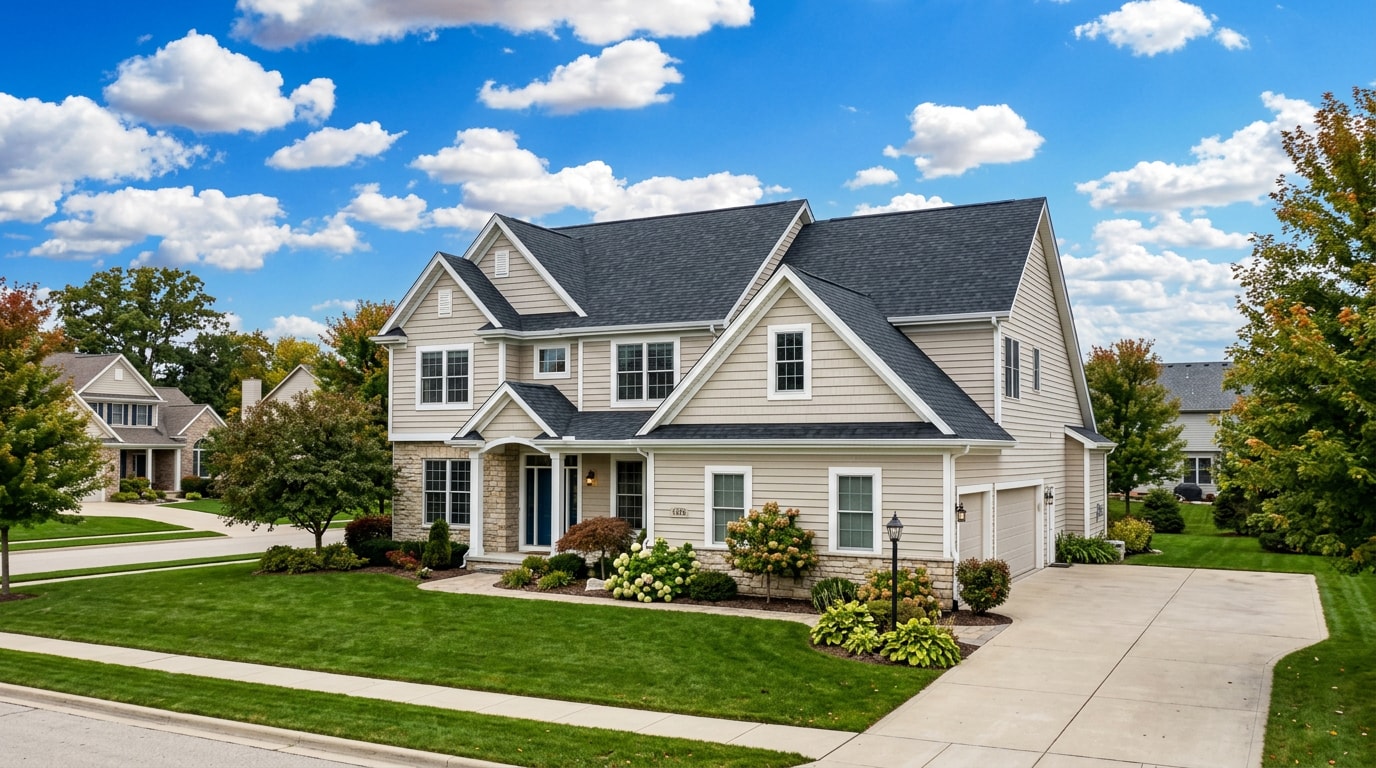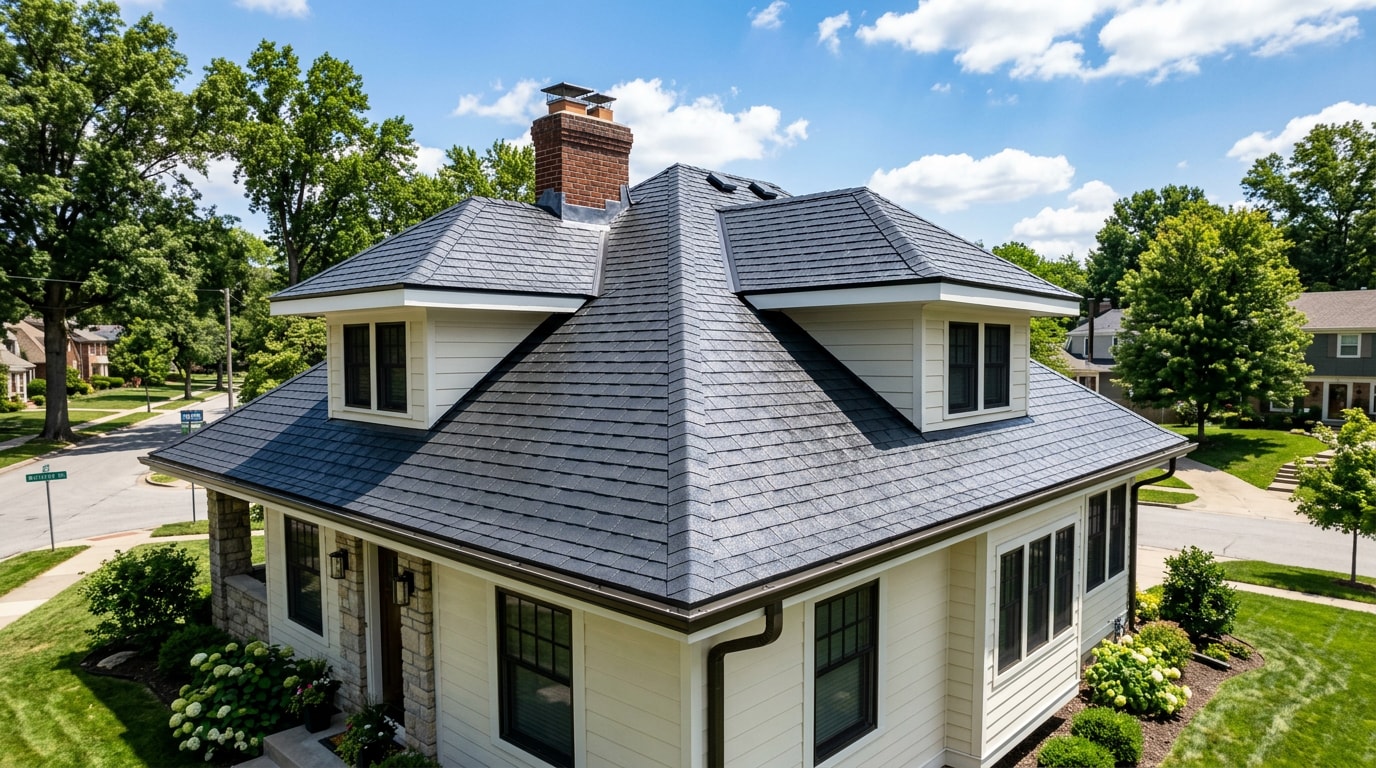
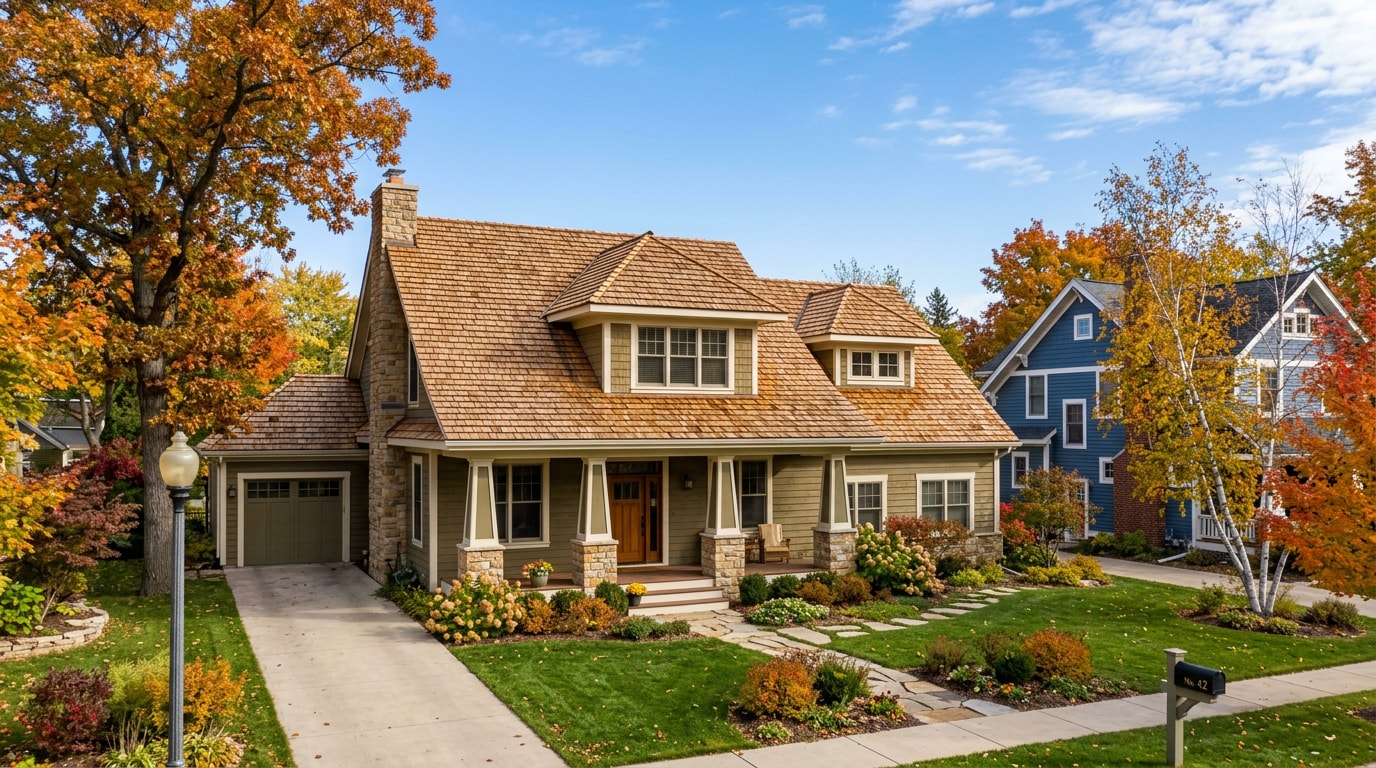
Cedar shake roof installation in Omaha, NE blends a centuries-old wood roofing tradition with building code rules and storm risk that are specific to eastern Nebraska. This guide breaks down what shakes actually cost installed in 2026, what the code requires, and the install steps that separate a shake roof that lasts 40+ years from one that fails in under 15.
Our crews have replaced and repaired cedar shake roofs on everything from Dundee bungalows to Elmwood Park Tudors, and the pattern is consistent: roofs that skip proper spaced sheathing or interlayment felt fail early, no matter how good the wood grade is.
Visit Roof Direct Midwest to see our services and request a free estimate.
What Is Cedar Shake Roofing?
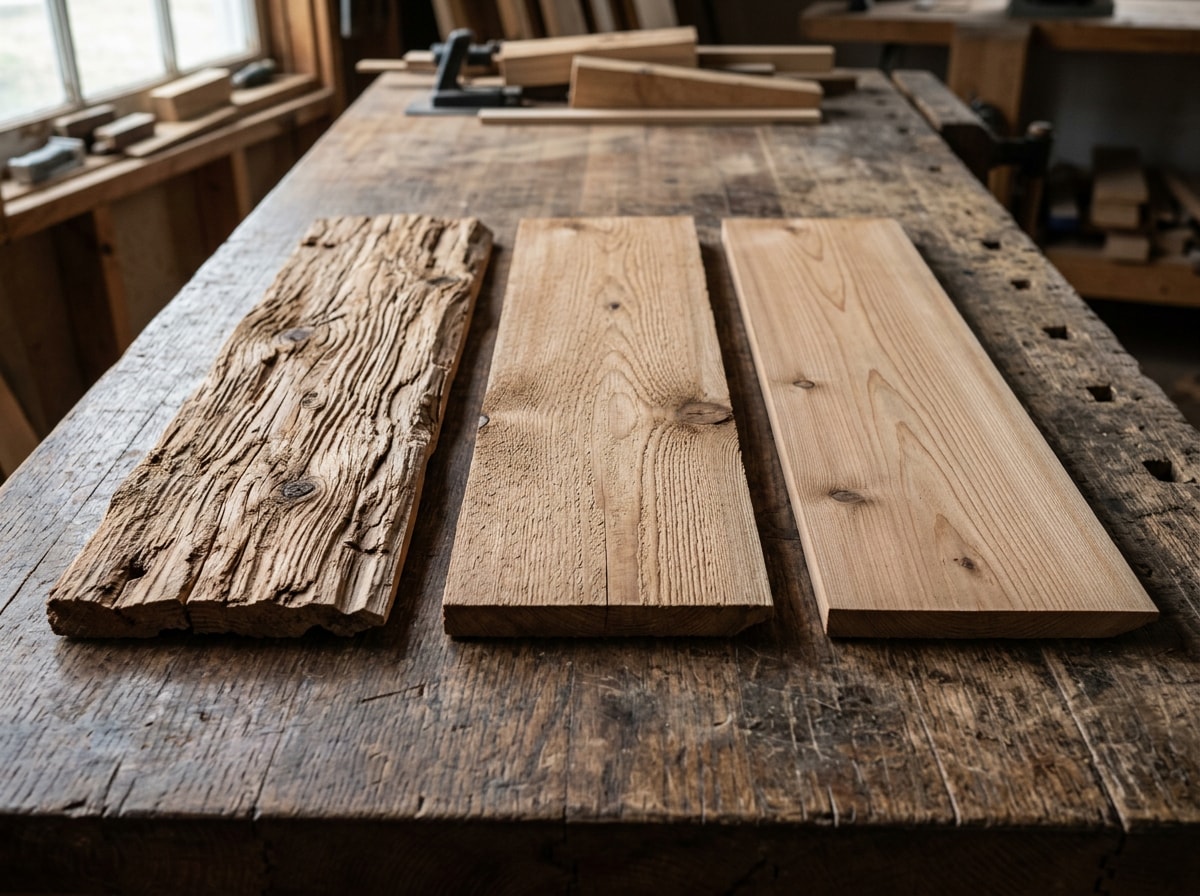
Cedar shake roofing is made from natural wood, typically Western Red Cedar, that's split or sawn into individual pieces rather than manufactured like standard shingles. Homeowners usually choose between three cut styles:
- Handsplit – traditional, rough-hewn, rustic texture
- Resawn – smoother surface with visible grain patterns
- Tapersawn – a refined blend of shake and shingle styling
This variety makes shake roofing a highly customizable choice for Omaha homes, from craftsman bungalows to modern farmhouses. If you're weighing shake against other materials for a full roof replacement, it helps to see the install options side by side before committing to a style.
Cedar Shake Roof Installation Cost in Omaha, NE (2026)
Cedar shake costs more than asphalt or synthetic shake because of material grade, labor time, and transportation. Since Western Red Cedar isn't harvested locally, Omaha's landlocked market pays freight costs that coastal regions don't.
The average cedar shake roof costs $6 to $12 per square foot installed, or $12,000 to $24,000 for a 2,000 sq ft home. Pricing varies by cut style and treatment:
| Shake Style | Installed Cost per Sq Ft (2026) |
|---|---|
| Cedar shingles (machine-sawn) |
$6 – $8
| Machine-split shakes |
$8 – $10
| Hand-split shakes |
$10 – $12
| Fire-retardant treatment add-on |
+$1 – $2
|
A full tear-off, new decking repairs, flashing, and premium-grade shakes can push a project toward the higher end of that range. Request a line-item free estimate before comparing bids, since "per square foot" numbers from different contractors rarely include the same scope of work.
Cedar Shake vs. Asphalt vs. Metal Roofing in Omaha
| Factor | Cedar Shake | Asphalt Shingle | Metal |
|---|---|---|---|
| Upfront cost | Highest | Lowest | Mid-high |
| Curb appeal | Natural, high-end | Standard | Modern |
| Repair style | Individual shakes replaceable | Full sections often needed | Panel-dependent |
| Insulation | Better natural R-value | Average | Lowest natural R-value |
| Maintenance | High (ongoing treatments) | Low | Low |
Compared with asphalt or metal, cedar shake offers a more natural appearance that adds curb appeal many manufactured materials can't replicate. It also provides better insulation, helping keep homes cooler in summer and warmer in winter. Unlike some systems, damaged shakes can be replaced individually instead of redoing the entire roof, a real advantage when weighing cedar shake vs. asphalt or cedar shake vs. metal roofing among Omaha roofing options.
Durability, Longevity, and Energy Efficiency
Cedar is naturally resistant to decay and insects. A properly maintained cedar shake roof lasts 30 to 50 years, but without maintenance, lifespan drops to 15 to 20 years. That gap is the single biggest reason two identical shake roofs in the same Omaha neighborhood can age so differently.
Cedar's porous surface lets air circulate between shakes, which supports the insulation claims manufacturers make. Insulation performance is measured by R-value, and an insulating material's resistance to conducting heat is measured by R-value, where a higher number means the material is better able to resist heat flow , according to the U.S. Department of Energy. Cedar's natural cellular structure and air gaps contribute to that resistance, which can translate into lower heating and cooling costs over a Nebraska winter and summer.
Why Omaha's Climate Makes Professional Installation Non-Negotiable
Nebraska isn't a gentle climate for roofing materials. From 1980 to 2024, Nebraska recorded 66 confirmed weather and climate disaster events with losses exceeding $1 billion each, including 44 severe storm events. Hail and wind-driven storms are a recurring part of the risk profile for any Omaha roof, cedar included.
Cedar handles hail and wind reasonably well when installed to spec, but freeze-thaw cycling punishes shakes that weren't properly spaced or ventilated during installation. Moisture that gets trapped between courses in November can crack shakes by February. This is exactly why generic installation crews, used to asphalt, often underperform on cedar: the tolerances and sequencing are different.
The Cedar Shake Installation Process
A correct cedar shake installation in Omaha generally follows these steps:
- Tear-off and deck inspection – remove the old roof covering and check decking for rot or soft spots.
- Sheathing prep – install solid or properly spaced sheathing;
wood shakes shall be used only on solid or spaced sheathing, and where spaced sheathing is used, boards must be spaced on centers equal to the weather exposure .
- Underlayment and interlayment – apply felt underlayment and interlayment courses per code to manage water that works past the shakes.
- Shake course installation – lay shakes with the correct side lap and gap spacing between adjacent pieces so the wood can expand and contract.
- Flashing and valleys – install corrosion-resistant metal flashing at valleys, chimneys, and penetrations.
- Ridge and hip capping – finish the roof lines with matching cap shakes.
- Treatment application – apply fire-retardant or water-repellent treatments where specified.
- Final inspection – verify exposure, fastener pattern, and flashing before close-out.
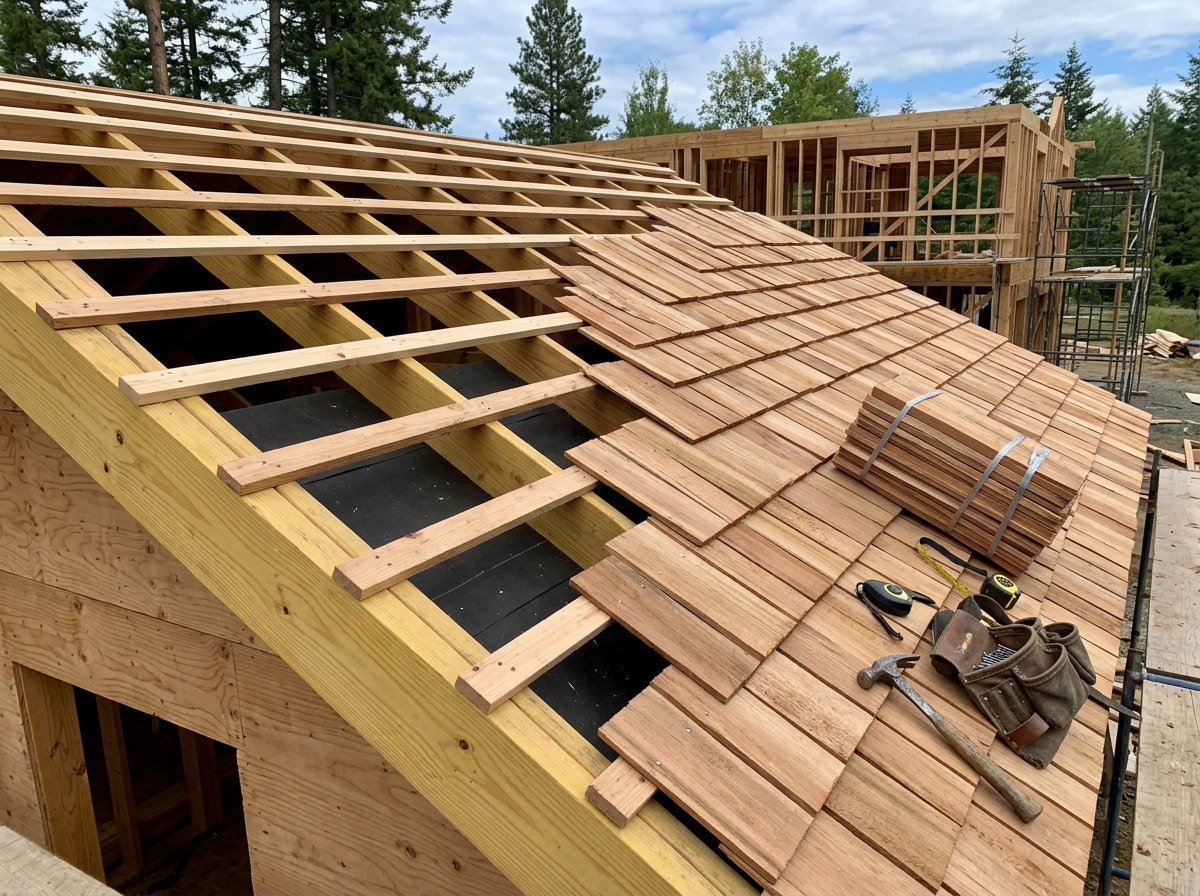
Every step here, deck prep, spacing, ventilation, affects long-term structural integrity, which is why the installation process shouldn't be rushed or generalized. See our Residential Roof Repair and Roof Replacement pages for how we scope a project like this for your home.
Building Code Requirements for Wood Shake Roofs
Building code sets firm limits on where and how shakes can be installed. Wood shakes shall only be used on slopes of three units vertical in 12 units horizontal (25-percent slope) or greater , per the International Residential Code. Roofs flatter than that aren't legally eligible for a shake roof covering, full stop.
Material quality is also code-enforced. Wood shakes used on a roof must meet grading rules set by the Cedar Shake & Shingle Bureau, the recognized authority on grading rules since 1915, which protects that standard so architects, builders, and homeowners can specify cedar with confidence instead of guesswork . The building code also addresses fire classification and underlayment: IRC sections R902.1 (Fire Classification General), R902.2 (Fire retardant-treated shakes and shingles), and R905.8 (Wood shakes, including conformance to CSSB Grading Rules, installation, fasteners, and underlayment specifications) all apply to a wood shake roof covering.
Professional installers should use spaced sheathing to let shakes breathe, interlayment felt for drainage, and corrosion-resistant fasteners sized for wood thickness. Skipping any of these isn't just a performance risk, it can be a code violation that complicates insurance claims later.
Maintenance Schedule to Protect Your Investment
Cedar shake needs ongoing care to reach its rated lifespan. A realistic maintenance cadence looks like this:
| Task | Recommended Frequency |
|---|---|
| Visual roof inspection | 1–2 times per year |
| Debris removal (leaves, needles) | After major storms, seasonally |
| Moss/algae treatment | As needed, check annually |
| Water-repellent/preservative reapplication | Every 3–5 years |
| Deep cleaning | Every 5–7 years |
Skipping maintenance is the most common reason shake roofs underperform their rated lifespan. A roof inspection twice a year, paired with a formal roof maintenance program, catches cracked shakes and flashing issues before they become leaks. For a deeper look at how routine upkeep extends roof life across material types, our guide on roof restoration in Kansas City, MO covers the same underlying principle.
If you're still comparing materials for new construction in the metro, our New Roofing Omaha, NE guide walks through cost and material trade-offs beyond cedar.
Ready to move forward? Get a free estimate and we'll walk your roof, check the slope against code minimums, and give you a real scope of work, not just a per-square-foot guess. You can also browse our roofing contractor services or see recent work on our projects page.
FAQ
How much does cedar shake roof installation cost in Omaha, NE?
Expect $6 to $12 per square foot installed, or roughly $12,000 to $24,000 for a 2,000-square-foot roof , with hand-split grades and fire-retardant treatment pushing costs toward the higher end.
What are cedar wood shakes?
Cedar wood shakes are wooden shingles split or sawn from cedar logs, a natural, durable roofing material that can last decades when properly maintained.
What is the difference between cedar wood shakes and cedar wood shingles?
Shakes are thicker, often hand-split, and more rustic-looking, while cedar wood shingles are machine-sawn and smoother. Shakes generally hold up better in harsh weather but cost more per square foot.
Is a wood shake roof a good choice for Omaha, NE homes?
Yes, with caveats. Cedar performs well here when installed to code and maintained on schedule, but Nebraska's severe storm frequency means hail and wind exposure should factor into your decision alongside aesthetics. It suits homeowners who value natural beauty on ranch homes, farmhouses, or craftsman-style properties. Check our Omaha service area page for coverage details.
How long do cedar shake roofs last?
A properly maintained cedar shake roof lasts 30 to 50 years; without maintenance, lifespan can drop to 15 to 20 years. Installation quality matters as much as the wood grade itself.
Is cedar roof installation more expensive than asphalt roofing?
Yes. Cedar shake generally costs more upfront in both materials and labor compared to asphalt, though its longevity and individual-shake repairability can offset the gap over a 30+ year lifespan.
What slope does a roof need for cedar shakes?
Wood shakes can only be used on slopes of three units vertical in 12 units horizontal (25-percent slope) or greater under the International Residential Code. Lower-slope roofs aren't code-eligible for shake coverings.
How often should a cedar shake roof be inspected?
Plan on a visual inspection one to two times a year, plus a check after any major hail or windstorm. Pair that with preservative reapplication every three to five years to hit the top end of cedar's lifespan range.