Roof restoration in Kansas City, MO can fix an aging roof without the cost or mess of a full tear-off, but it only works when the deck and structure underneath are still sound. Before you call a contractor, it helps to know exactly what restoration includes, what it costs locally, and when replacement is the smarter move. This guide breaks down both so you can make that call with confidence.
Roof Restoration vs. Replacement: Which Fits Your Roof?
Restoration repairs, seals, and strengthens an existing roof instead of removing it. For many Kansas City homes, that means a lower bill, a shorter timeline, and far less disruption to daily life.
It only works, though, if the roof's structure is still sound.
| Factor | Restoration | Full Replacement |
|---|---|---|
| Typical cost | $3,000–$8,000 | $9,000–$18,000+ |
| Timeline | 1–2 days | 1–3 weeks |
| Disruption | Minimal | Significant (tear-off, dumpster) |
| Added lifespan | 5–10 years | 20–30 years |
| Best for | Sound deck, isolated wear | Rot, sagging, multiple layers |
If your roof shows widespread rot, sagging decking, or has already been restored once before, a roof replacement is usually the more cost-effective long-term choice. If the structure is solid, roof restoration services can extend its life at a fraction of the price.
At Roof Direct Midwest, our crews see this pattern constantly across Kansas City neighborhoods like Brookside, Waldo, and the Northland: a roof in its second decade with granule loss but a dry, solid deck is a textbook restoration candidate, while one with soft spots underfoot or stained decking almost always needs a full replacement instead.
Why Restoration Costs Less
Restoration treats the existing roof surface rather than removing it, so there's no dumpster, no disposal fees, and far less labor. That's the main reason it typically runs $3,000 to $8,000 for a Kansas City home, versus $9,000 or more for a comparable replacement.
Why It Adds Fewer Years
A properly executed restoration can add 5 to 10 years to a roof's usable life, provided the decking and structure are still in good shape. It won't match the 20-to-30-year lifespan of a new roof, but it buys time without the upfront cost.
Why It's Faster
Restoration skips tear-off, dumpsters, and weeks of noise. Most jobs wrap up in a day or two, compared to one to three weeks for a standard replacement.
What's Included in a Roof Restoration
Restoration isn't a single fix. It's a set of treatments matched to your roof's material, age, and condition.
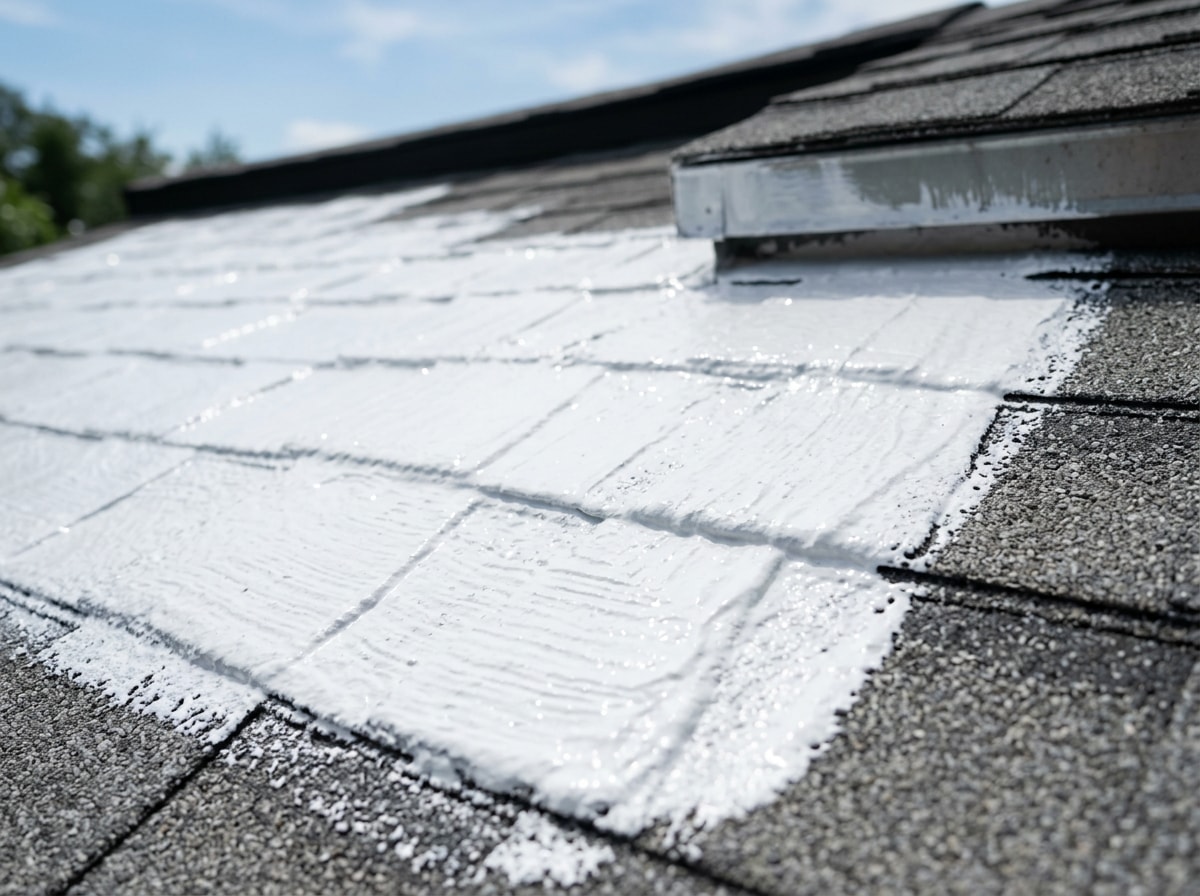
- Roof rejuvenation – restores flexibility and waterproofing to weathered asphalt shingles, best used before cracking or heavy granule loss sets in.
- Attic ventilation correction – improves airflow to reduce heat and moisture buildup, which otherwise shortens roof life from the inside out.
- Protective coatings – reflective sealants that extend the roof's service life and cut solar heat gain.
- Flat roof overlay or restoration – for commercial low-slope roofs with isolated damage rather than widespread leaks.
Attic airflow matters more than most homeowners expect. Building codes generally recommend a minimum net free ventilation area equal to one square foot per 150 square feet of attic floor area.
That requirement can be reduced to one square foot per 300 square feet in some cases, provided an acceptable ratio of properly located intake and exhaust vents is present. Getting that ratio wrong traps heat and moisture, which is one of the fastest ways to age a restored roof prematurely.
Reflective coatings carry a real energy benefit too. The EPA states that ENERGY STAR-qualified roof products can reduce peak cooling demand by 10 to 15 percent. In a Kansas City summer, that translates into a noticeable dip in AC runtime, not just a marketing claim.
Commercial flat roofs often need a different approach entirely. Overlay and restoration suit roofs with isolated leaks, while widespread moisture damage usually calls for full commercial roof repair or replacement. Coating application matters as much as the product itself. Industry guidance released this year provides concise best-industry practice recommendations for roof substrate evaluation, repairs and preparation steps before coating, and coating material selection and application , which is exactly the sequence a qualified crew should follow regardless of brand.
Homeowners restoring a roof should also take a look at their gutters. Years of granule runoff and sagging flashing often mean the gutter system needs attention at the same time; a gutter maintenance check during the same visit catches problems before they become water damage.
The Roof Restoration Process, Step by Step
A professional restoration follows a predictable sequence rather than a random patch job.
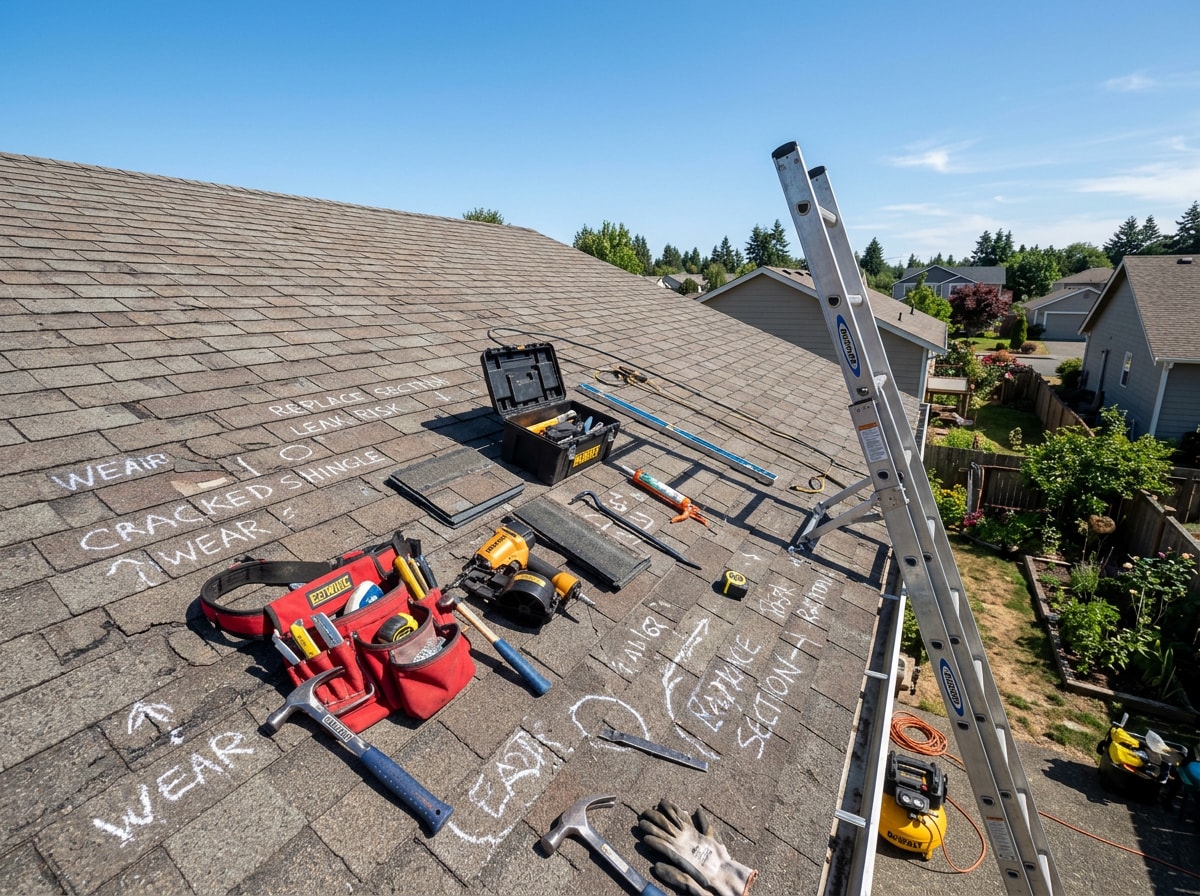
- Inspect the roof surface. Technicians evaluate cracking, granule loss, flashing condition, and attic ventilation to confirm the roof actually qualifies for restoration.
- Clear debris and complete pre-restoration repairs. Crews clean the surface and fix any weak points, loose flashing, or minor leaks before coating begins.
- Apply the protective coating or sealant. The chosen product is applied in the correct number of coats and cure time, matched to the roof's material and slope.
- Final walkthrough. A completed job gets a final check for coverage, seams, and drainage before it's signed off.
A roof inspection is the right first step if you're not sure which category your roof falls into. It's usually free and carries no obligation to move forward.
Does Insurance Cover Roof Restoration After a Kansas City Hail Storm?
Kansas City sits in an active hail corridor, and storm damage is one of the most common reasons homeowners here end up restoring or replacing a roof years earlier than planned. Whether insurance covers the work depends on the cause of the damage, not the repair method.
Cosmetic wear from age and sun exposure is a homeowner expense. Sudden storm damage, including hail bruising and wind-lifted shingles, is often covered under a standard policy, but documentation matters. If a recent storm is part of the reason you're considering restoration, read our hail damage roofing contractors in Kansas City, MO guide before filing a claim, since the inspection and documentation process differs from a routine age-related restoration.
Signs Your Roof Needs Restoration, Not Replacement
Not every tired-looking roof needs a full tear-off. Look for these signs before deciding:
- Shingles are faded or losing granules but not cracked or curling
- No soft spots, sagging, or visible light through the decking
- Leaks are isolated to flashing or penetrations, not spread across the roof
- The roof has not already been restored or recoated before
- Attic insulation and decking show no signs of moisture damage
If two or more of the opposite conditions apply, replacement is the more realistic path. A residential roof repair visit can confirm which category your roof falls into before you spend money on the wrong fix.
Restoration Also Cuts Down on Landfill Waste
There's a side benefit to restoration that rarely gets mentioned: less material ends up in a dumpster. Demolition represents more than 90 percent of total construction and demolition debris generation nationally, while new construction represents less than 10 percent. A full tear-off and replacement contributes to that demolition total. A restoration that keeps the existing deck and underlayment in place simply doesn't generate the same volume of waste, which matters if your HOA or municipality has disposal restrictions.
Keep Your Roof on a Maintenance Schedule
Whether you restore or replace, the single best way to avoid an emergency re-roof is a maintenance plan. A roof maintenance program catches granule loss, flashing wear, and ventilation problems while they're still a restoration job, not a replacement job. You can see examples of completed restoration and replacement work on our projects page.
Not Sure What Your Roof Needs?
A technician can evaluate your roof and recommend the right approach, usually free and with no obligation. Schedule a free roof evaluation before deciding between restoration and replacement, or visit our Kansas City service area page to confirm coverage near you. You can also browse all of our offerings from the homepage.
FAQ
What is roof restoration?
Roof restoration repairs, cleans, and reseals an aging roof to extend its service life. It falls between a minor repair and a full replacement in both scope and cost, and it only applies to roofs with a sound structural deck.
How much does roof restoration cost in Kansas City?
Most Kansas City contractors price residential roof restoration between $3,000 and $8,000, depending on roof size, material, and current condition. Severe decking damage or widespread leaks push a project toward full replacement pricing instead.
How long does roof restoration take?
Most Kansas City restorations finish in one to two days. That's far shorter than the one-to-three-week timeline typical of a full tear-off replacement.
Is roof restoration worth it?
It's worth it when it costs less and causes less disruption than replacement, and when it buys enough additional service life to make financial sense. It adds fewer years than a full replacement, so a roof nearing 20+ years old is usually a better candidate for replacement.
What's the difference between roof restoration and roof replacement?
Restoration repairs and coats the existing roof without removing it. Replacement strips the roof down to the decking and installs new materials. Restoration suits roofs with moderate, surface-level wear; replacement suits roofs with structural damage or repeated leaks.
Does insurance cover roof restoration in Kansas City?
Only if the damage driving the restoration came from a covered event like hail or wind, not normal aging. A documented storm claim is handled differently than a routine, age-related restoration, so confirm which situation applies before contacting your insurer.
About This Guide
This guide was prepared by the roofing team at Roof Direct Midwest, a residential and commercial roofing contractor serving Kansas City and the broader Midwest region. Our crews perform roof inspections, restorations, and replacements throughout the metro, and we're happy to walk through your specific roof's condition before you spend a dollar. For a deeper look at coating options on flat and low-slope systems, see our guide on flat roof waterproofing in Lake of the Ozarks, MO. Contact us with questions anytime.